A Nation Refused
to Look Away
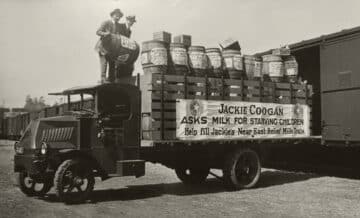
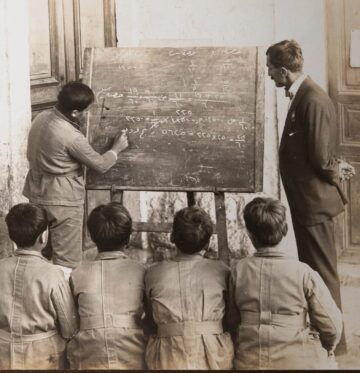
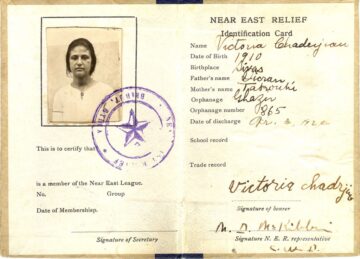
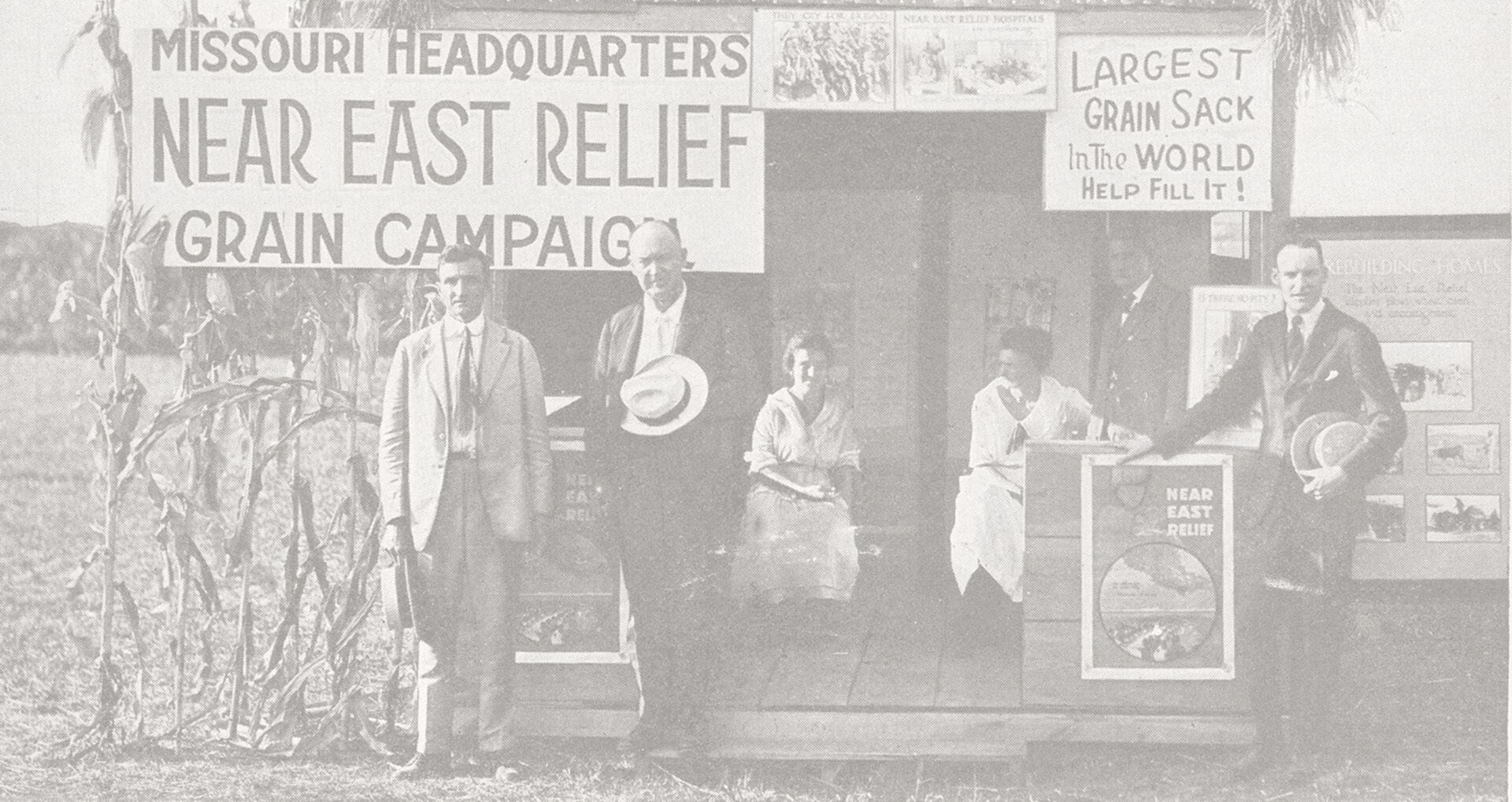
Between 1915 and 1930, millions of ordinary Americans raised more than $116 million and provided food, shelter, medical care, and other assistance to more than one million survivors and refugees of the Armenian, Greek, and Assyrian Genocides. The photographs, letters, records, and field reports preserved here document that relief effort and the experiences of the people it served. To explore the museum and archive, begin with the permanent exhibit, browse the collections, read personal accounts, or find a relief worker’s name in the memorial.
The Digital Archive
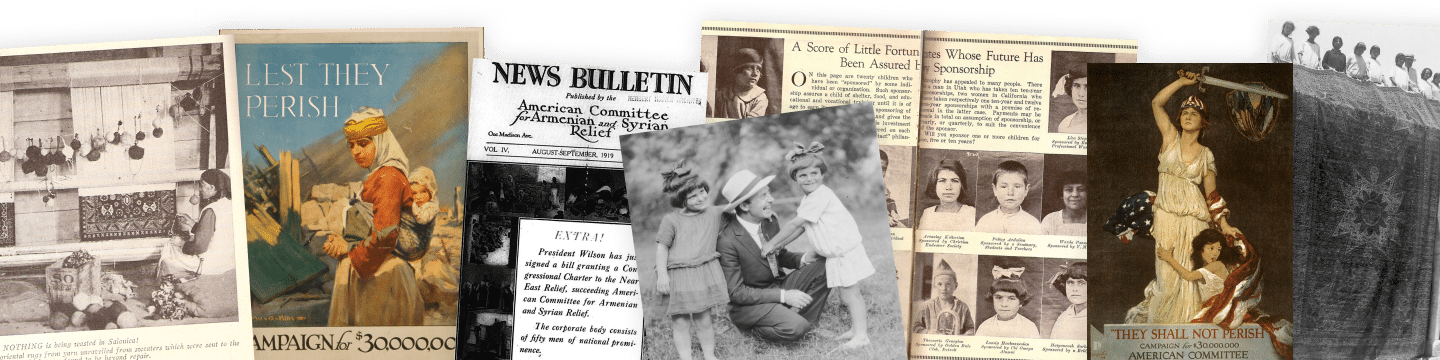
What will you find in the archive? Photographs from orphanages in Armenia, Greece, Lebanon, Syria, and Turkey. Letters home from relief workers. Fundraising posters that papered the walls of American towns. Field reports written under impossible conditions. Over 44,000 digitized items from more than 20 institutions—searchable, free, and growing.
Documentary
They Shall Not Perish
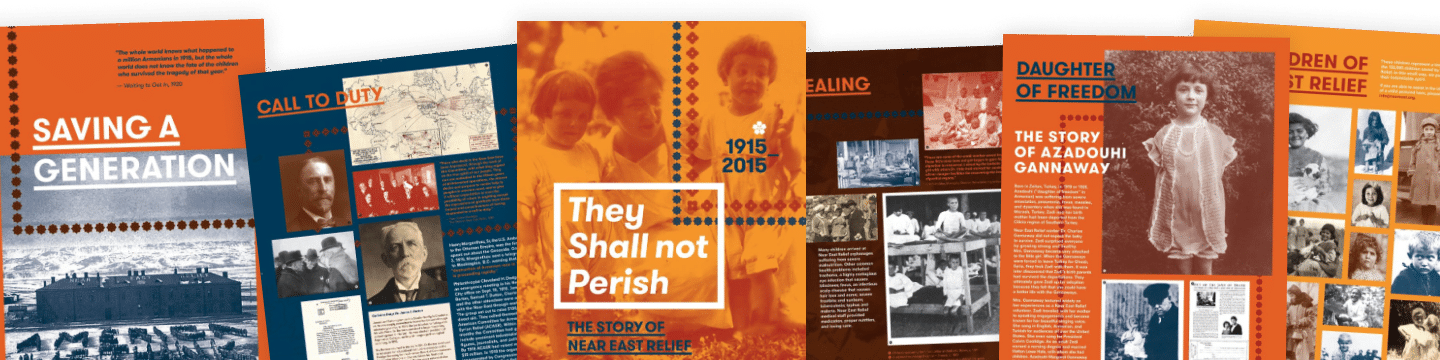
They Shall Not Perish tells the story of genocide, survival, and the unprecedented American response—through archival footage, first-person accounts, and the voices of people who lived it. Feature-length. Free to stream.
Relief Worker Memorial
Honoring Those Who Served
They were a diverse coalition: missionaries and mechanics, World War I veterans and conscientious objectors, nurses and teachers. From 1915 to 1930, more than 1,000 Americans, along with international relief workers, served in Near East Relief orphanages and relief stations across Anatolia, the Caucasus, and the Middle East. This Memorial honors their service with individual profiles, added and updated as research and family contributions bring their stories to light.
Dispatches
Dispatches are in-depth stories drawn from the Near East Relief archive — they explore the orphanages, relief workers, survivors, and campaigns that defined one of America’s first mass humanitarian movements.
Tools for the Classroom
Teach the Legacy
Stream the documentary. Download the curriculum guide. Request the downloadable panel exhibit for your school or library. Primary sources and teaching tools for the Armenian, Greek, and Assyrian Genocides and America’s humanitarian response.
Preserve the Past. Inspire the Future.
We are actively digitizing fragile records, building new exhibits, and expanding the archive. Thousands of photographs and documents are still awaiting cataloging and indexing. Your support makes that work possible.